


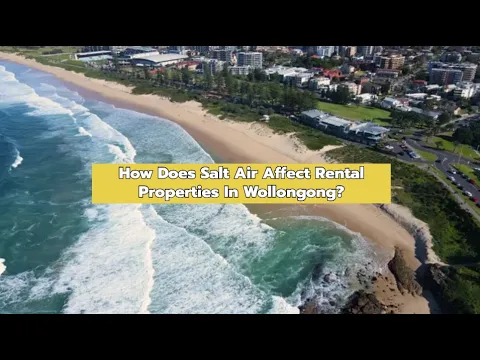
How Does Salt Air Affect Rental Properties In Wollongong?
Key Takeaways:
- Salt air can leave residue on windows, walls, floors and other surfaces in Wollongong rental properties.
- Coastal moisture can increase the risk of rust and corrosion on exposed metal fixtures.
- Regular cleaning helps prevent salt, sand, dust and moisture from building up over time.
- Outdoor areas and bathrooms may need extra attention due to coastal exposure and humidity.
- Thorough end of lease cleaning Wollongong can help tenants prepare the property for the final inspection.
Wollongong’s coastal location makes it an appealing place to live, especially for tenants who enjoy being close to the beach. However, the same salty sea air that makes coastal living enjoyable can gradually affect different parts of a rental home. Salt particles, moisture and humidity can settle on surfaces and contribute to stains, corrosion, grime and general wear.
For tenants, these effects can become more noticeable when it is time to move out. A property that has been exposed to coastal conditions may need extra attention before the final inspection. This article will let you know how salt air affects rental properties in Wollongong. Regular maintenance and expert end of lease cleaning Wollongong can help tenants deal with accumulated dirt and leave the rental property in a clean and presentable condition.
Hide
Show
- How Does Salt Air Affect Windows and Glass?
- Corrosion Risks for Coastal Rental Fixtures
- Salt Residue on Walls and Painted Surfaces
- Floors Can Collect Salt, Sand and Dirt
- The Impact of Salt Air on Outdoor Areas
- Bathrooms Can Be Affected by Moisture
- Preparing a Wollongong Rental for the Final Inspection
- Infographic: Tackling Salt Air Problems in Wollongong Rentals
- Wrapping Up
- Frequently Asked Questions
1. How Does Salt Air Affect Windows and Glass?
Salt particles carried by coastal air can settle on windows, glass doors and frames. As the residue builds up, it can leave cloudy marks and make otherwise clean windows look dull. Window tracks can also collect a combination of salt, dust, moisture and sand, particularly when windows are regularly opened.
Regularly wiping glass surfaces and cleaning window frames can help prevent stubborn buildup. Tenants should also pay attention to window tracks and corners as these areas are commonly overlooked during everyday cleaning. Keeping them clean throughout the tenancy can make the final cleaning process much easier.
2. Corrosion Risks for Coastal Rental Fixtures
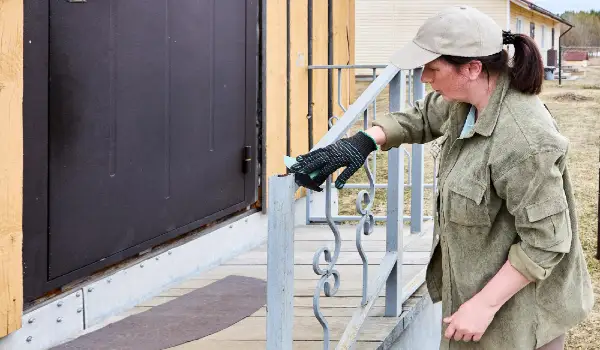
Salt and moisture can speed up corrosion on exposed metal surfaces. Outdoor railings, taps, door handles, fences and other metal fixtures may gradually develop rust, stains or discolouration when they are repeatedly exposed to salty air. The problem can be more noticeable in properties located close to the coastline.
Simple maintenance can help reduce the impact of salt exposure. Wiping down metal fixtures and keeping them dry, can prevent residue from sitting on the surface for long periods. Tenants should also report significant rust or damage to the property manager, instead of attempting repairs themselves.
3. Salt Residue on Walls and Painted Surfaces
Walls can also be affected by coastal conditions; particularly in rooms with open windows or doors. Dust and salt particles may settle on painted surfaces, leaving them looking dull or dirty. High humidity can make the problem more noticeable and may contribute to marks around windows and doors.
Regular dusting can help keep walls looking fresh during the tenancy. Before moving out, tenants should carefully check areas around windows, doors, skirting boards and corners. These surfaces may require gentle cleaning to remove accumulated dust and residue without damaging the paint.
4. Floors Can Collect Salt, Sand and Dirt
Coastal properties can experience more sand and dirt entering through doors and windows. When combined with moisture, salt residue can settle on floors and create a dull or sticky appearance. Hard flooring may show these marks more clearly, especially around entrances and outdoor access points.
Regular sweeping and mopping can prevent residue from building up. Tenants should pay extra attention to entryways, balconies and areas near sliding doors. Removing sand and salt regularly also reduces the amount of grime that can become difficult to clean when preparing the property for the final inspection.
5. The Impact of Salt Air on Outdoor Areas
Balconies, patios and other outdoor areas are directly exposed to Wollongong’s coastal environment. Salt, sand, dust and moisture can accumulate on floors, railings, walls and outdoor furniture. Drains and corners may also collect debris, making these areas appear untidy if they are not maintained.
Regularly sweeping outdoor spaces and wiping exposed surfaces can help control this buildup. Before moving out, tenants should check balconies, patios and other outdoor areas for dirt, cobwebs and salt residue. Giving these spaces proper attention can improve the overall presentation of the rental during the final inspection.
6. Bathrooms Can Be Affected by Moisture
Salt air is not the only coastal factor that can affect a rental property. Wollongong’s humid conditions can also contribute to moisture buildup in bathrooms, particularly where ventilation is poor. Soap scum, water marks and mould can develop more easily when wet surfaces are left unattended.
Keeping bathroom surfaces dry and using exhaust fans or ventilation can help control moisture. Regular cleaning of shower screens, tiles, taps, grout and bathroom fixtures can also prevent stubborn buildup. During an end of tenancy clean, these areas should receive careful attention because they are commonly inspected by landlords and property managers.
7. Preparing a Wollongong Rental for the Final Inspection
Leaving cleaning until the last few days of a tenancy can make moving more stressful, especially when salt residue and general grime have accumulated over time. A regular cleaning routine helps tenants manage coastal dirt before it becomes difficult to remove. It also makes the final cleaning process more manageable.
Before handing back the keys, tenants should check areas that are often missed, including window tracks, skirting boards, doors, cupboards and outdoor spaces. Professional end of lease cleaning Wollongong can also provide a more detailed clean before the final inspection, helping ensure the property is presented in a well maintained condition.
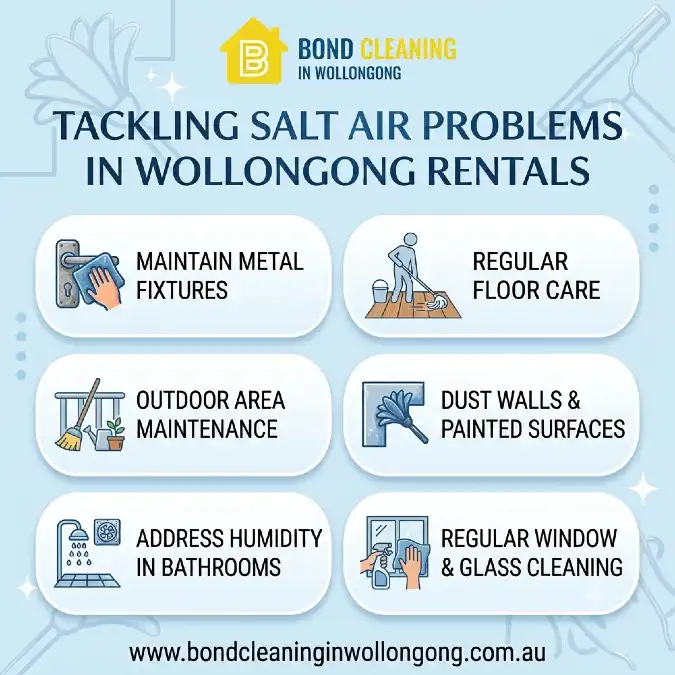
Infographic: Tackling Salt Air Problems in Wollongong Rentals
Wrapping Up
Salt air is a natural part of coastal living in Wollongong, but it can gradually affect rental properties. Regular maintenance throughout the tenancy can help reduce these effects and make moving out easier. When the lease ends, paying attention to both visible and overlooked areas can help prepare the property for inspection. With proper preparation and professional end of lease cleaning Wollongong services, tenants can leave their rental clean, fresh and ready for the next occupant.
Frequently Asked Questions:
Q1. How does salt air affect rental properties in Wollongong?
Salt air can cause residue, stains, corrosion, moisture buildup and general wear on different surfaces.
Q2. Can salt air cause rust on rental property fixtures?
Yes, prolonged exposure to salty moisture can increase the risk of rust and corrosion on metal fixtures.
Q3. Which areas of a rental property are most affected by salt air?
Windows, outdoor areas, metal fixtures, floors, walls and moisture prone bathrooms can be particularly affected.
Q4. How can tenants reduce the effects of salt air?
Regular cleaning, proper ventilation and keeping exposed surfaces dry can help minimise salt and moisture buildup.
Q5. Is professional end of lease cleaning useful for coastal rentals?
Yes, professional cleaning can help remove accumulated salt, dirt, grime and residue before the final inspection.