


Stubborn Wall Stains Vs Fair Wear & Tear: What Affects Your Bond Return?
Moving out of a rental property comes with a long checklist and protecting your bond refund is usually at the top of it. One of the biggest concerns during the final inspection is the condition of the walls. Even small marks, stains or scratches can catch the attention of property managers and landlords. However, not every wall mark is treated as tenant damage. Some issues are considered fair wear and tear, while others may lead to cleaning or repair costs.
This article will let you know what affects your bond the most. Understanding the difference between stubborn wall stains and normal ageing can save tenants from unnecessary bond deductions. This is why many renters hire budget end of lease cleaning Wollongong services before handing over the keys. Clean and well maintained walls can leave a positive impression and increase the chances of receiving the full bond amount back.
Hide
Show
- What Is Considered Fair Wear and Tear on Walls?
- What Wall Stains Can Affect Your Bond Return?
- Why Grease and Oil Marks on Walls Are a Problem
- Can Pen and Crayon Marks Reduce Your Bond?
- How Smoke and Nicotine Stains Damage Walls
- How Property Managers Check Wall Damage During Inspection
- Best Ways to Prevent Wall Damage in a Rental Property
- Should You Repaint Walls Before Moving Out?
- Infographic: Stubborn Wall Stains Vs Fair Wear & Tear
- Wrapping Up
1. What Is Considered Fair Wear and Tear on Walls?
Fair wear and tear refers to the natural deterioration of a property that happens through regular everyday living. Over time, walls may develop light scuff marks, faded paint or tiny scratches due to normal use. These small imperfections are expected in most rental properties, especially if tenants have lived there for several years.
Landlords usually cannot charge tenants for damage caused by ageing or regular use. For example, slight fading caused by sunlight or small furniture marks are generally acceptable during a final inspection. However, the condition of the walls should still appear reasonably clean and maintained.
2. What Wall Stains Can Affect Your Bond Return?
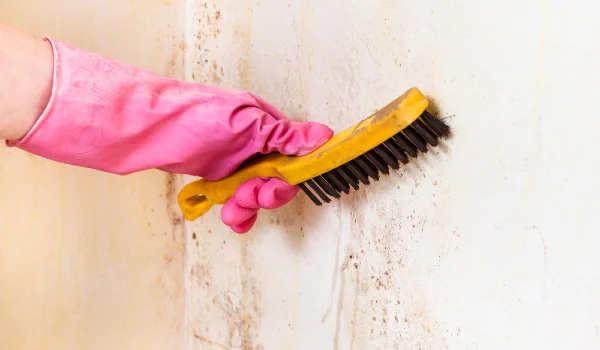
Stubborn wall stains are marks that go beyond normal usage and often require deep cleaning or repairs. These stains are usually caused by spills, smoke, grease, crayons, markers, or pet damage. Unlike normal wear, these marks can make the property look neglected or poorly maintained.
Property managers may consider such stains tenant caused damage if they affect the appearance of the walls significantly. In many cases, professional cleaning or repainting may be required to restore the walls properly before the final inspection takes place.
3. Why Grease and Oil Marks on Walls Are a Problem
Kitchen walls often collect grease splashes from cooking, especially near stovetops and counters. Over time, these stains become sticky and harder to remove with regular household cleaners. Grease buildup can also trap dust; leaving walls looking dull and dirty.
If these stains are ignored for too long, landlords may consider them excessive dirt rather than fair wear and tear. Many tenants choose professional end of lease cleaning Wollongong services because trained cleaners use specialised products that remove grease without damaging the paint.
4. Can Pen and Crayon Marks Reduce Your Bond?
Pen, crayon, and marker drawings are common in homes with children, but they can become a problem during the final inspection. These marks are usually viewed as avoidable damage because they are not caused by natural ageing or regular use of the property.
Light marks may come off using gentle cleaning solutions, but darker stains often require repainting. If these stains remain visible then property managers may deduct repair costs from the tenant’s bond amount before returning the balance.
5. How Smoke and Nicotine Stains Damage Walls
Smoking indoors can leave yellow or brown stains on walls and ceilings over time. These stains are often accompanied by strong odours that are difficult to remove completely without deep cleaning. Smoke residue can also settle into paint and other surfaces throughout the property.
Nicotine stains are rarely considered fair wear and tear because they result from lifestyle habits rather than everyday use. In severe cases, landlords may need professional cleaning or repainting services which can directly affect the tenant’s bond refund.
6. How Property Managers Check Wall Damage During Inspection
During the final inspection, property managers compare the current condition of the property with the original entry report. They carefully inspect the walls for stains, scratches, holes, chipped paint, or signs of neglect that may require cleaning or repairs.
Minor scuffs and small marks may not create major issues but visible stains or heavy damage can result in deductions from the bond. Keeping photos and records from the start of the tenancy can help tenants avoid unfair disputes regarding wall condition.
7. Best Ways to Prevent Wall Damage in a Rental Property
Keeping walls clean and protected throughout your tenancy can help you avoid expensive repairs and bond deductions later. Small maintenance habits can make a big difference during the end of lease cleaning Wollongong inspection.
Here are some simple ways to prevent wall damage:
- Clean stains and marks immediately before they become permanent.
- Use mild cleaning products and soft cloths to protect the paint.
- Avoid strong adhesive hooks that can peel paint off the wall.
- Use furniture pads to prevent scratches and scuff marks.
- Keep high traffic areas clean to reduce dirt buildup on walls.
- Move furniture carefully to avoid dents and chipped paint.
8. Should You Repaint Walls Before Moving Out?
Repainting may be necessary if the walls have severe stains, dark marks, or unauthorised paint colours. However, repainting is not always necessary for small scuffs or natural fading from everyday use. In many cases, cleaning alone may significantly improve the appearance of the walls.
Before repainting, tenants should check their lease agreement or speak with the property manager. Hiring professional cleaners, can sometimes remove stubborn stains successfully and save tenants the extra cost of repainting the property.
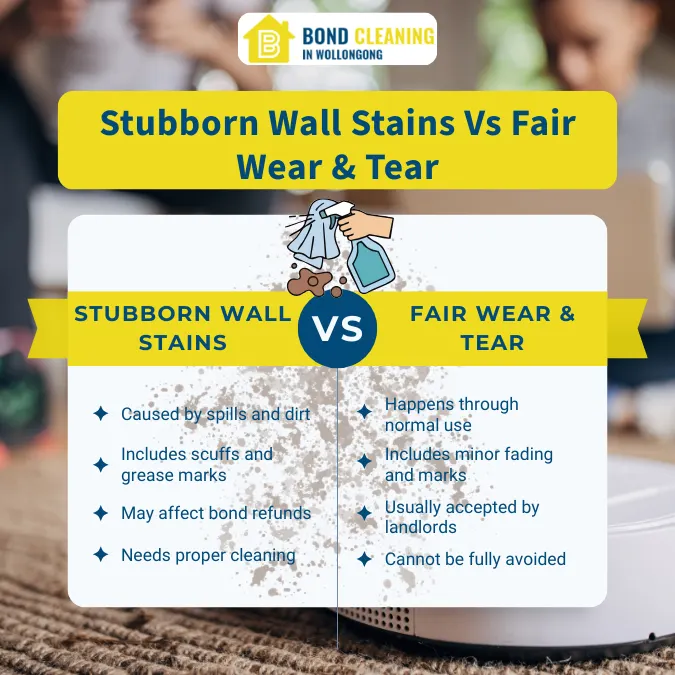
Infographic: Stubborn Wall Stains Vs Fair Wear & Tear
Wrapping Up
Understanding the difference between stubborn wall stains and fair wear and tear is important for protecting your bond refund. While natural ageing is generally acceptable; deep stains and preventable damage can lead to cleaning or repair charges during the final inspection. Taking care of the walls and using professional cleaning support when needed can improve the chances of receiving the full bond amount back.